Akatarawa Road Rambles FAQ
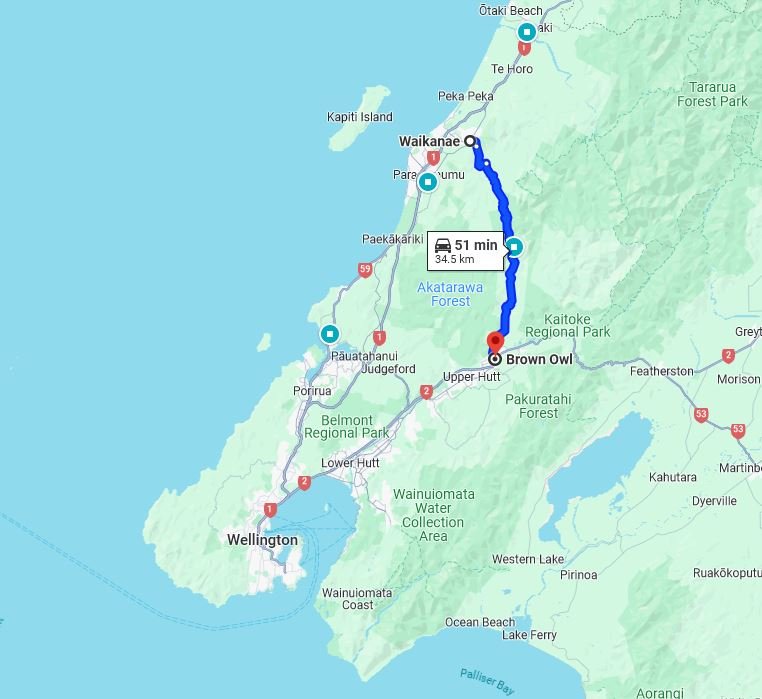
Where is Akatarawa Road?
A Scenic Escape with a Caution:
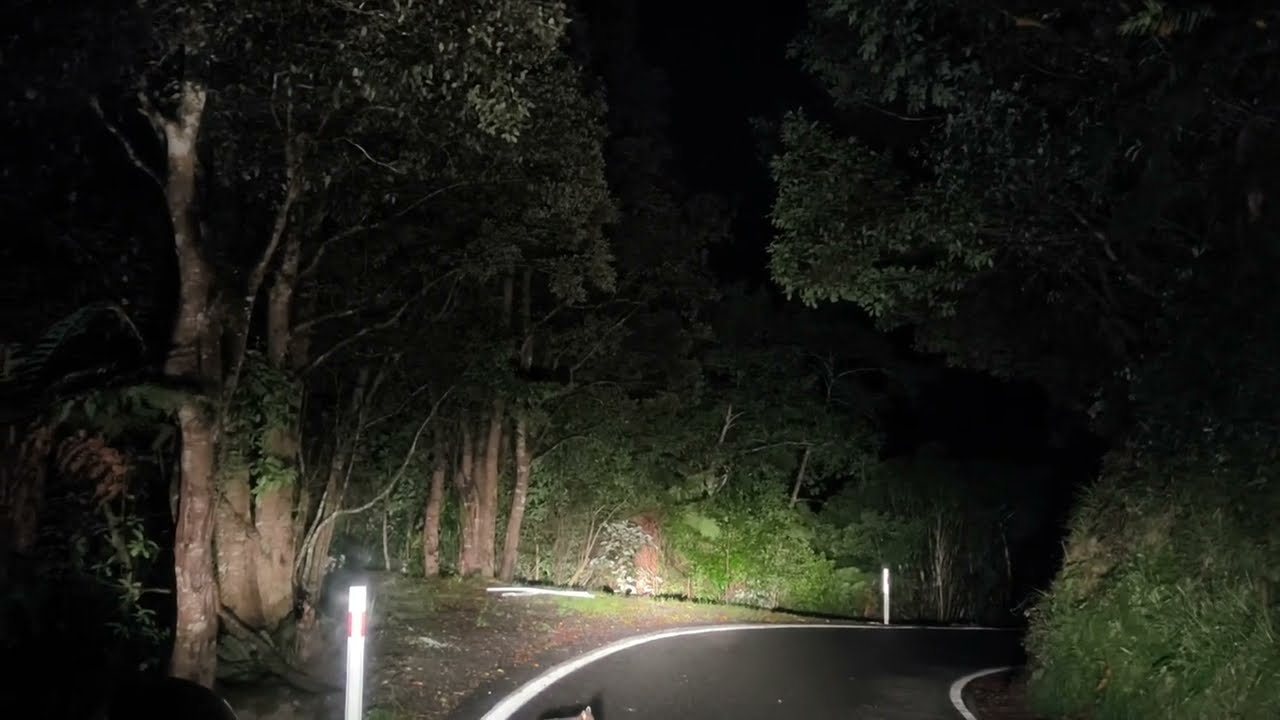
The Akatarawa Road, snaking between Waikanae and Upper Hutt, in the Wellington region of New Zealand unveils a breathtaking panorama. Imagine cruising through rugged native forest and forestry land, with glimpses of the sea peeking through valleys. The road itself follows the Akatarawa River, eventually meeting the Hutt River north of Upper Hutt.
Beauty with Bite:
While captivating, this route demands respect. The Akatarawa Road is narrow and winding, with frequent landslides that can block passage. Take it slow and prioritize caution to ensure a safe and enjoyable journey.
Why only part of the road in the videos?
I tend to only share the top part of the hill road that has no houses. This protects the privacy of residents and displays the most beautiful part of the journey. And it saves you getting too bored with long vids.
I do also film the lower part of the Hutt side day journey, just for my own interest in the constant changes. I may make this available to members only at a later date, if any interest is shown.
Driving Akatarawa Road
While it is a beautiful drive, it's not suitable for everyone. The road is narrow and winding and often has slips or overhanging trees to dodge. The videos make it look faster, straighter and wider than it often is.
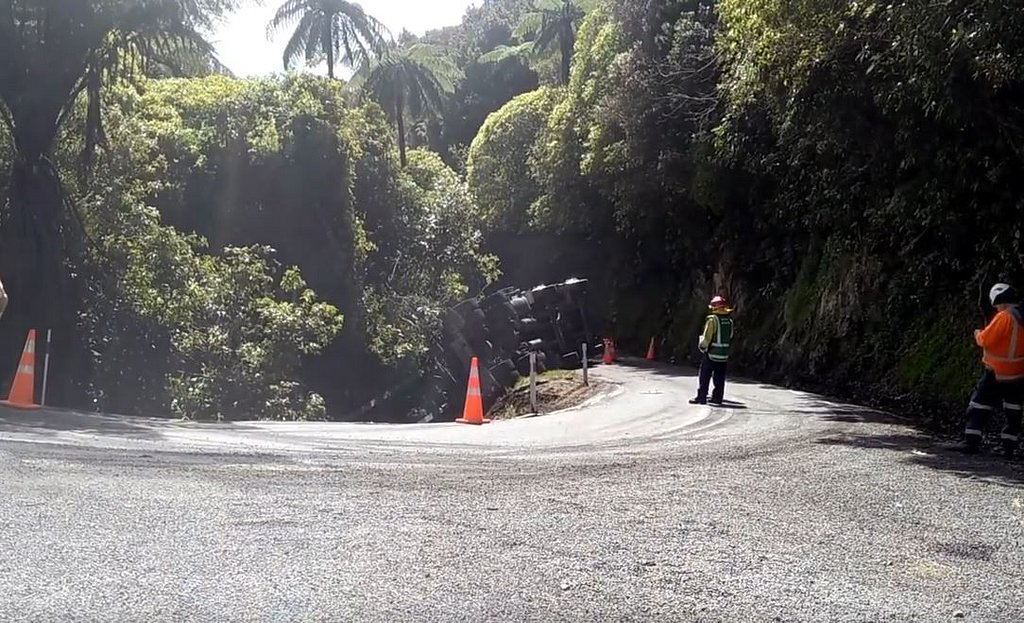
The road has large vehicle restrictions (and they mean it!) so don't attempt it in your truck or camper (especially if you have roof solar panels). You might end up like the guy in the photo who failed to fit around the corner (and this is not the tightest corner on the road) :o
If you choose to travel the Akatarawa Road by motorbike or bicycle, please take extra care, we often have to pick up people off the road who went too fast or hit a rock or gravel and went splat!
Regardless of the speedlimit, the correct speed to travel on this road is at a speed where you can easily stop in half the distance of the road you can see. Most of the upper part of the road is single lane only.
What Car Do You Drive?
Usually we're in a little 2 door Toyota RAV4. Occasionally we'll go in the Jeep Cherokee if I have something bigger to pick up or drop off. No big flash cars round here sorry ;)
What camera do you use?
We're currently filming on the only camera I have, which is on my Motorola Phone. I would like to eventually get a reasonable quality dashcam or GoPro to make the viewing nicer with good quality video. If you would like to donate towards a better camera - you can do so here... Otherwise we'll all just need to wait until I can save up some pennies for y'all. :)
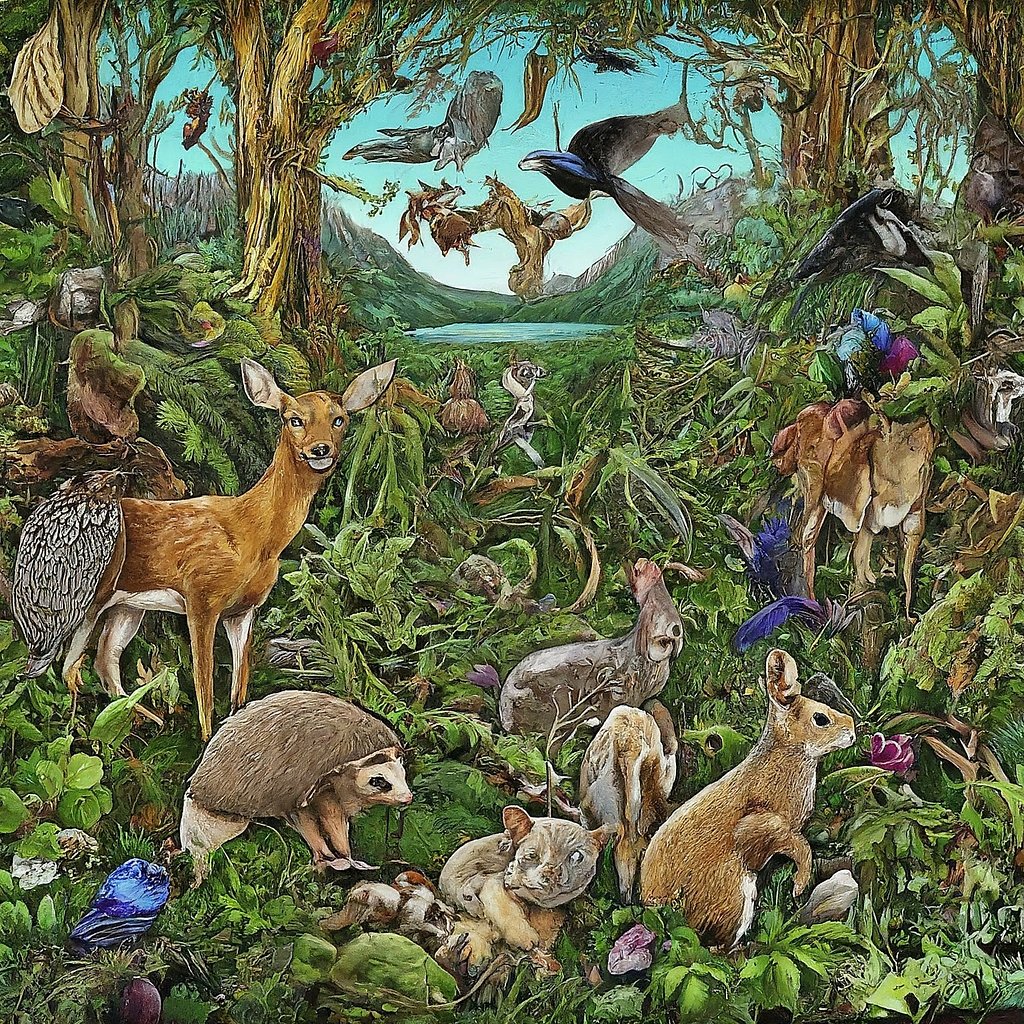
What are the animals we see?
Rabbits, Hares, Possums, Hedgehogs, Goats, Pigs, Stoats, Rats, Harrier Hawks, NZ Falcons, NZ Wood Pigeon (Kererū), Tui, Bellbird, Fantails, Moreporks (Ruru) and Deer are all fairly common along the Akatarawa Hill Road. (watch out for the goats and deer, they've been known to cause a crash or 2 when they suddenly leap out at you.)
Theres also a chance that we'll spot a Kōkako or Kiwi, though sightings of those are pretty rare. We should also look out for the short-tailed bat on our night drives, one of New Zealand's only native land mammals, Though I have my doubts if they'll show up on our camera at all.
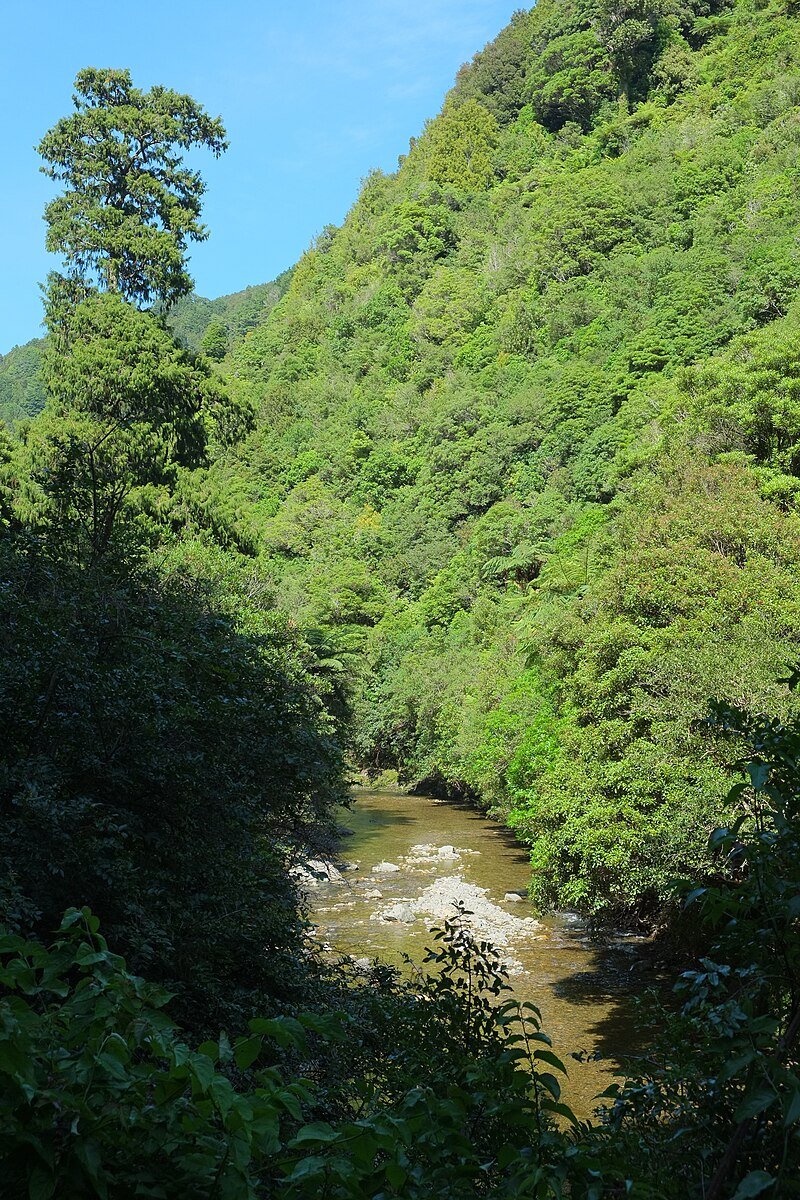
About the Akatarawa Forest
The Akatarawa Forest is a regional park in the Upper Hutt within the Wellington Region at the southern tip of the North Island of New Zealand.
Encompassing roughly 15,000 hectares, it's a blend of native and exotic forest broken by steep valleys and river gorges. Its name, Akatarawa, translates to "trailing vines" in Te Reo Māori, the indigenous language of New Zealand.
The forest is a popular spot for outdoor activities such as tramping (hiking), horse riding, fishing, hunting, mountain biking, and 4WD vehicle trips. It's also the venue for the internationally-renowned Karapoti Classic mountain bike race.
Here's a closer look at what makes the Akatarawa Forest special:
-
Diverse Plant and Animal Life: The Akatarawa Forest is home to a rich variety of native and introduced plant and animal species. Among the native plants are rimu, totara, matai, and miro trees, as well as ferns, shrubs, and mosses.
-
Ancient Trees: The forest boasts some of New Zealand's oldest and largest trees, including northern rata trees that predate human habitation. One particularly impressive rata is believed to be over 1,100 years old and wider than the famed Tāne Mahuta tree in the Waipoua Forest.
-
Wildlife: Keep your eyes peeled for native birds like the critically endangered kokako, the tomtit, and the iconic kiwi. You might also spot short-tailed bats, which are crucial for insect control. Introduced mammals like deer, possums, and hedgehogs can also be found here.
-
History: The Akatarawa Forest has been a significant area for Maori people for centuries, used for hunting, food gathering, and as an access route between the Hutt Valley and the coast. Since European settlement, the forest has seen its share of changes, including logging and the introduction of animals like possums which can damage the native ecosystem.